27 October 2026
Understanding the Nano Banana Pro AI Image Generator: A Physics-Aware Tool for Professional Content Creation
Presented by @thenanobananaproaiimagetimes
If you have spent any time with text-to-image tools, you know the frustration of getting a beautiful render that completely ignores basic physics. Shadows fall the wrong way, reflections break, or objects float in ways that no real-world camera would ever capture. The Nano Banana Pro AI image generator takes a different approach. It is built around a physics engine that works alongside a diffusion model, so the images it produces respect the way light moves, how materials behave, and how scenes are supposed to feel grounded. This is not just a marketing claim. The difference shows up in the details.
I have been working with AI rendering tools for years, and the shift toward physics-aware generation feels like a genuine step forward. Most diffusion models are trained on millions of images, but they learn correlations, not rules. They might output a picture of a glass of water where the refraction is slightly off, or a portrait where the catchlights in the eyes contradict the main light source. The Nano Banana Pro AI image generator addresses this by integrating an Inverse Problem solver into its pipeline. Instead of just guessing pixels from noise, it reasons backward from a plausible scene geometry to generate an image that fits physical constraints.
How the Physics Engine Changes the Output
The core of this system is a neural network that has been trained with additional supervision from a physics engine. The engine simulates basic properties like gravity, collision, fluid behavior, and light propagation. During training, the model learns to penalize outputs that violate these simulated rules. The result is images that feel more solid. For example, if you ask for a stack of books leaning against a wall, the books will actually rest on each other in a way that looks structurally possible, rather than hovering or overlapping in physically impossible ways.
This matters for professionals who need images that can pass as real product shots or architectural visualizations. A subtle error in shadow direction or reflection can ruin the illusion for a trained eye. The physics engine works at the level of semantic segmentation, identifying regions of the image and checking their relationships. It is not perfect, but it reduces the number of blatant errors you would normally have to fix in post-production.
Resolution and Detail: 4K as a Baseline
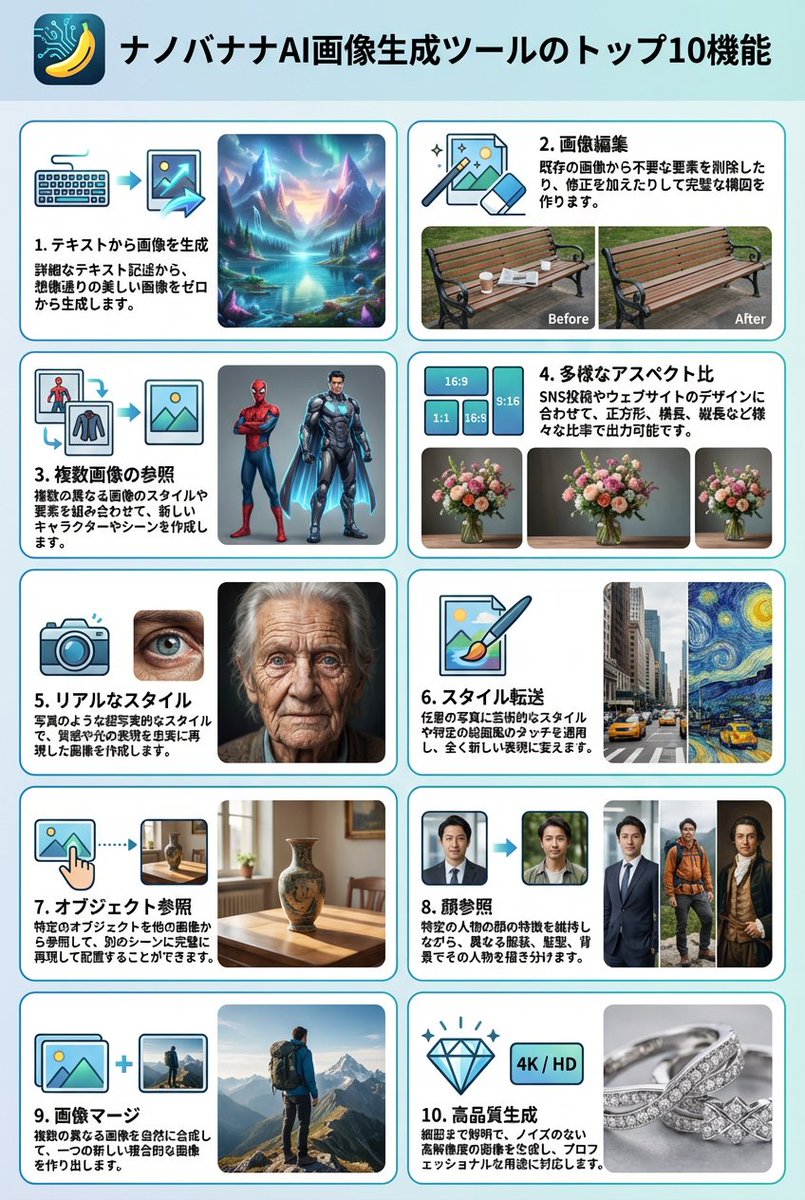
The tool outputs at 4K resolution as a standard, which is unusual for real-time generation. Most models cap out at 1024 by 1024 pixels and rely on upscaling to reach higher resolutions. Upscaling adds detail algorithmically, but it can introduce artifacts or a plastic-looking texture. The Nano Banana Pro AI image generator instead generates at a higher native resolution, using GPU acceleration to manage the computational load. The upscaling step is still there for final polish, but it starts from a much denser base of information.
I have tested a few images at full resolution, and the difference is most visible in textures like fabric weave, leaf veins, or skin pores. The model preserves fine detail because the diffusion process operates on a larger latent space. It also helps with aspect ratio control. You can request a wide cinematic frame or a tall vertical composition, and the model handles it without distorting the subject. This kind of flexibility is useful for content creation, especially when you need to match specific layout dimensions for web or print.
The Role of Gemini 3 Pro and Google DeepMind
The underlying technology draws on Google DeepMind's Gemini 3 Pro architecture. This is a multimodal model that understands text prompts with a high degree of nuance. In practice, this means prompt engineering becomes more intuitive. You can describe a scene in natural language, including details about lighting, mood, and composition, and the model interprets them without needing a rigid syntax. For example, you can say "a ceramic mug on a wooden table, morning light from the left, steam rising gently," and the generator will handle the spatial arrangement and the physics of the steam diffusion.
Multi-language support is another practical advantage. The prompt interface accepts input in several languages, which broadens access for teams that do not work primarily in English. The underlying model has been trained on multilingual data, so the semantic understanding does not degrade when you switch languages. This is particularly useful for global content creation teams who need to produce visuals for different regional markets without retraining the model or translating prompts awkwardly.
Stochastic Sampling and Creative Control
Like most modern diffusion models, this generator uses stochastic sampling to introduce variation. You can run the same prompt multiple times and get different results, each plausible but distinct. The physics engine constrains the randomness so the variations stay within physically reasonable bounds. I found this useful for generating multiple options for a product shot. You get a spread of compositions and lighting setups, but none of them violate the basic physics of the scene. This saves time in brainstorming because you are not sifting through obviously broken outputs.

The model also exposes parameters for controlling the level of randomness, which gives you a sliding scale between creativity and consistency. If you need a tight match to a reference image, you can reduce the stochastic sampling. If you want to explore unusual interpretations, you can increase it. This kind of control is essential for professional work where you need both exploration and precision.
Practical Workflow and Considerations
When I integrated this tool into my pipeline, the main adjustment was learning to trust the physics engine. Early on, I would try to override its constraints with manual edits, but I found that the model's understanding of physical plausibility often matched or exceeded my own intuition for complex scenes. For instance, generating an image of a fountain with multiple water jets required the model to simulate fluid dynamics and light scattering through spray. The physics engine handled that better than I could have in a manual composite.
There are trade-offs. The physics engine adds computation time. Even with GPU acceleration, generating a 4K image takes longer than a standard text-to-image model producing a lower resolution. If you need rapid prototyping, you might generate at a smaller size and only upscale the final selection. The upscaling step is still high quality, but it benefits from the initial physics-aware generation. Another consideration is that the physics engine is not omniscient. It handles well-defined physical rules, but it can still produce errors in edge cases like non-Newtonian fluids or complex organic motion. You should still review outputs for subtle issues.
Computer Vision and Post-Processing
After generation, the tool integrates with standard computer vision libraries for tasks like background removal, object detection, and color grading. The semantic segmentation map that the model produces during generation can be exported and used for further editing. This bridges the gap between AI rendering and traditional retouching workflows. For example, you can isolate a specific object from the generated scene and apply adjustments to it without affecting the rest of the image.
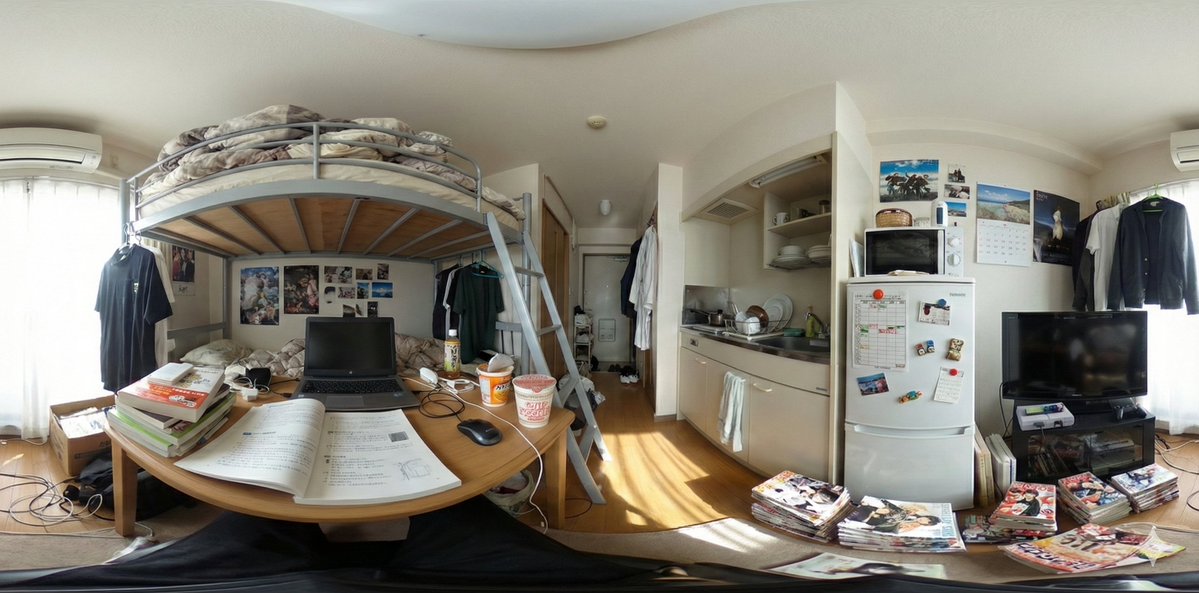
The Nano Banana Pro AI image generator also includes a feature for multilingual prompt parsing that uses the same neural network backbone as the image generation. This means you can write prompts in multiple languages within the same session, and the model will maintain consistent style and physics awareness across all outputs. For a project I worked on that needed visuals for a European market, this saved the effort of translating and re-prompting for each language.
Is It Worth Adopting?
For anyone doing serious content creation, digital art, or product visualization, the physics-aware approach is a meaningful improvement over blind diffusion models. The Nano Banana Pro AI image generator is not a toy for generating memes. It is a tool for professionals who need reliable, high-resolution images that can be used in client-facing work. The combination of Gemini 3 Pro's language understanding, the physics engine's constraints, and the 4K resolution output makes it a strong contender in a crowded field. The multi-language support and GPU acceleration lower the barriers for international teams and tight deadlines. If you are tired of fixing floating objects and impossible shadows in every other render, this tool is worth a serious look.